How much does a new roof cost in Sanford, FL?
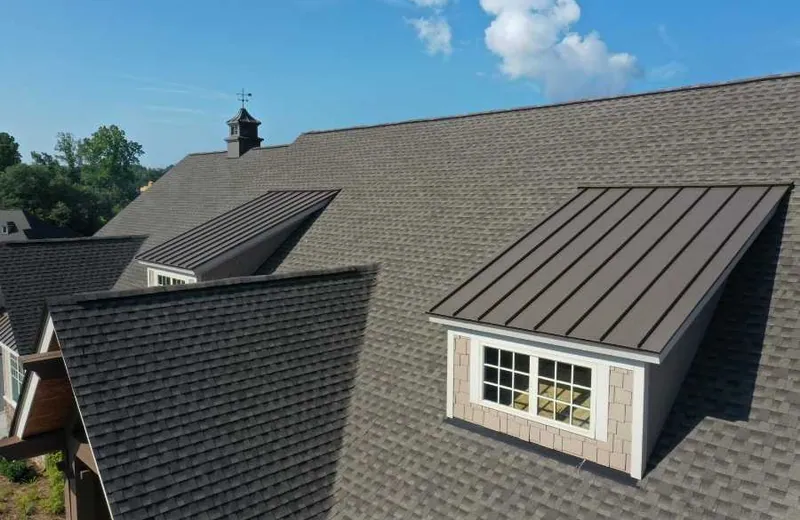
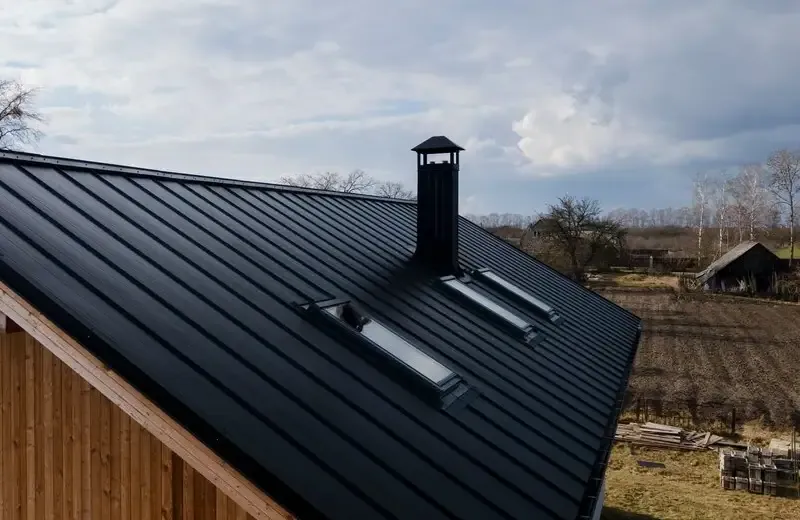
For a typical 1,800–2,200 sq ft single-story home, an architectural shingle replacement usually runs about $14,000–$26,000. Standing seam metal and tile reroofs on larger two-story homes commonly land between $35,000 and $75,000. The biggest swing factors locally are decking condition and code upgrades. Pre-2002 homes in Deltona, Casselberry, and older Sanford often need renailing, a secondary water barrier, and some plywood replacement. Roof complexity, pitch, and HOA or historic material requirements also matter. We give you a line-item written estimate after a close inspection, so you can see exactly where the money goes. Financing is available.
My insurance company says my roof is too old. What should I do?
First, don't panic, and don't assume you automatically need a new roof. Since Florida's 2022 reforms, many carriers non-renew or limit coverage on shingle roofs around 12–15 years old. Start with a professional inspection. If the roof is in good shape, a roof certification or a 4-point inspection may satisfy your carrier, and a wind mitigation report could lower your premium. If it truly needs replacement, we'll document why and help you plan the timing around your renewal date. Eligible homeowners may also qualify for My Safe Florida Home hardening grants.
Do I need a permit to replace my roof in Sanford?
Yes. Every reroof in Florida requires a permit under the Florida Building Code, along with inspections. Depending on your address, the permit comes from the City of Sanford Building Division, Seminole County, Volusia County, or a city such as Lake Mary, Deltona, DeBary, or Winter Springs. We handle the filing and schedule inspections for you. Homes in Sanford's downtown historic districts also need a Certificate of Appropriateness for visible changes, and most HOAs in Heathrow, Lake Mary, Tuskawilla, and Mayfair require architectural approval before work begins. A roofer who offers to skip the permit is a red flag.
How long does a roof replacement take?
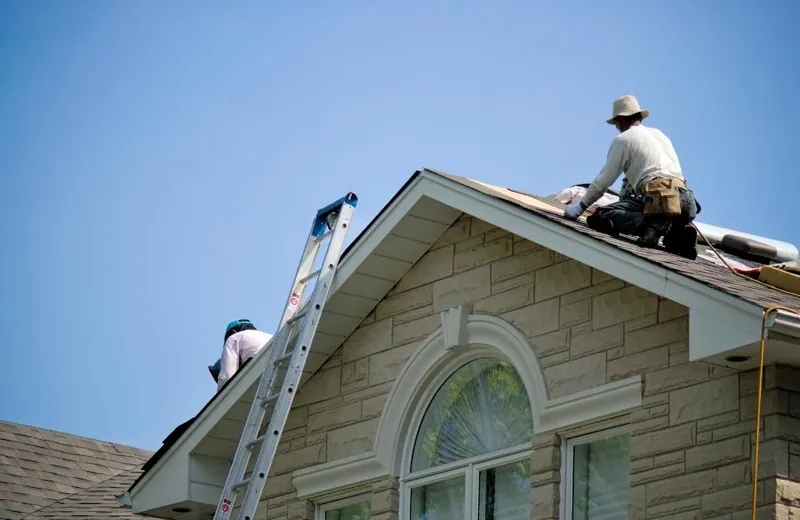
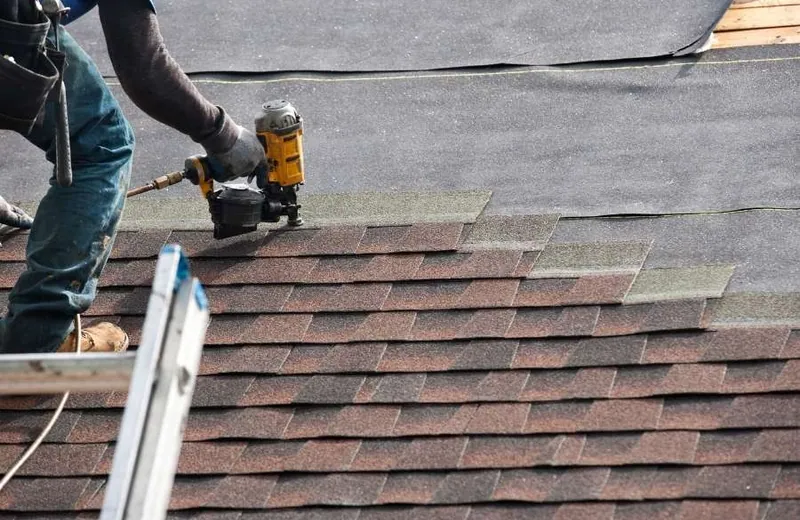
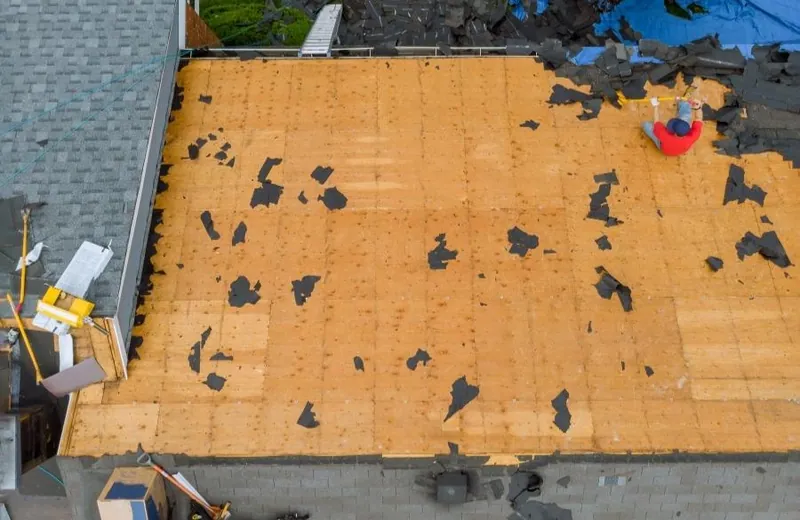
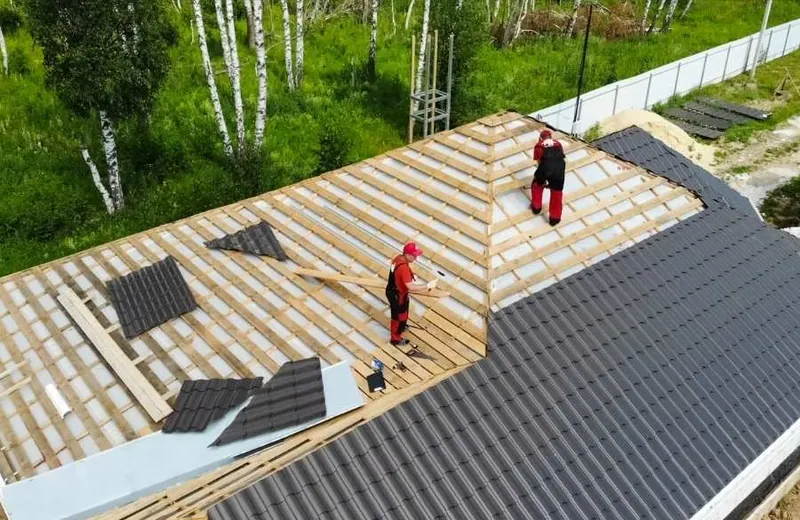
Installation on most shingle homes takes 1–3 days. Tile and complex multi-level roofs can take a week or more. The longer part is usually what happens before installation: permit approval, HOA review, and material delivery often add 1–3 weeks, and much longer right after a major hurricane, when building departments across the region back up. During the summer, we start early and plan each day's tear-off so the roof is dried in before afternoon storms arrive. We clean up the job site at the end of every workday.
Can my roof be repaired instead of replaced after storm damage?
Often, yes. Florida changed its "25% rule" in 2022–2023. If your roof was built to the 2007 Florida Building Code or later, repairing a damaged section no longer forces full replacement. Older roofs may still trigger whole-roof replacement when a large portion is damaged. Beyond the rules, it comes down to condition. A 6-year-old shingle roof with a few blown-off tabs is a clear repair, but a 17-year-old roof with failed sealant everywhere isn't worth patching. We inspect, show you photos, and explain which option makes sense and why.
How do I know if my tile roof needs new underlayment?
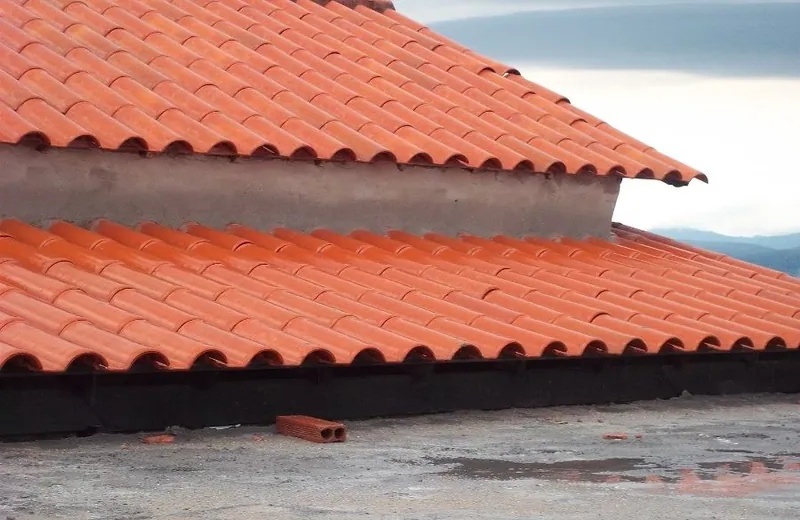
Age is the first clue. Tile roofs installed in the 1990s and early 2000s, which describes much of Lake Mary, Heathrow, and Oviedo, are reaching the typical 20–25-year underlayment lifespan. Other warning signs include ceiling stains with no visible broken tile, leaks only during wind-driven rain, slipped tiles, and brittle underlayment visible at the eaves. Because walking a tile roof incorrectly breaks tiles, choose a crew that knows where to step. A tile lift-and-relay with new underlayment can reuse sound tile, which sometimes lowers costs.
What can I do to prevent roof problems in Central Florida's climate?
Most prevention here comes down to keeping water moving and catching small failures early. Keep valleys and gutters clear of oak leaves, Spanish moss, and pine needles, and consider gutter guards if you live under heavy canopy. Trim limbs back from the roofline before hurricane season. Have rubber pipe boots and flashing checked every few years, since UV cracks them quickly. Make sure your attic is properly ventilated, because heat above 130°F ages shingles from below. An annual inspection, ideally in spring before storm season, is the cheapest roofing insurance you can buy.
When should I call a roofer right away instead of waiting?
Call immediately if water is actively coming inside, you can see daylight through the attic, a limb has punctured the roof, or large sections of shingles or tiles are missing after a storm. Those situations need emergency tarping before the next afternoon thunderstorm makes it worse. Schedule an inspection soon, not urgently, if you notice granules in gutters, small ceiling stains, lifted shingle tabs, or if your insurer has sent a roof-age notice. After hurricanes, verify that any contractor is properly licensed, insured, and local before you sign anything.